
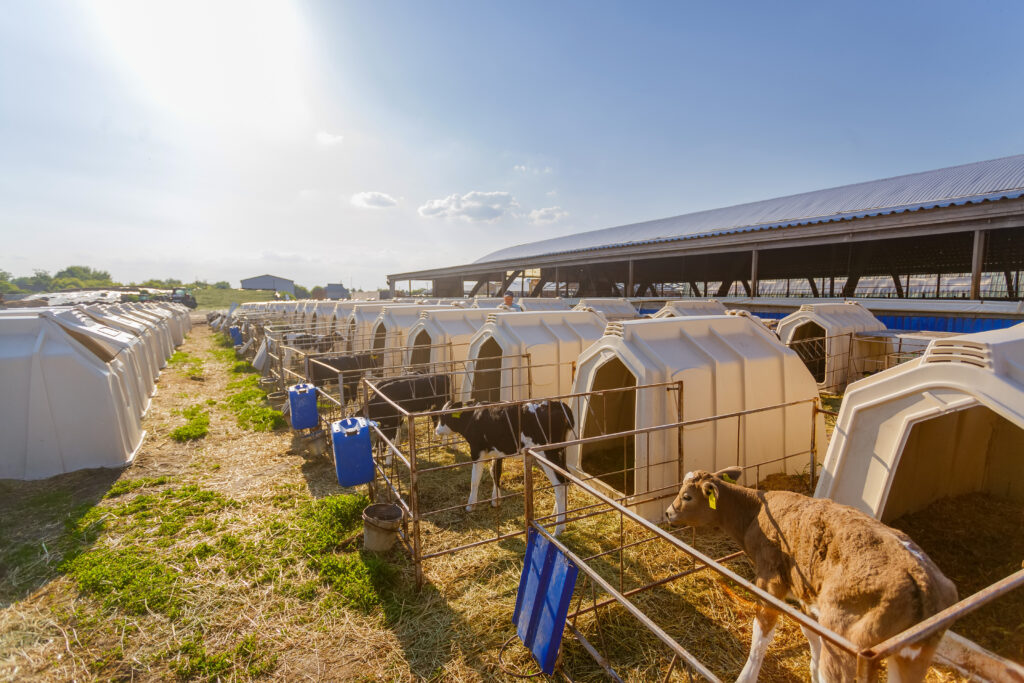
A well-designed goshaala (cow shelter) is essential for maintaining the health, comfort, and productivity of cows. While factors like space, hygiene, and nutrition are important, proper ventilation plays an equally critical role in ensuring a healthy environment for cattle. Without good airflow, cow shelters can quickly become hot, humid, and filled with harmful gases, which may negatively affect animal health.Therefore, modern Goshaala Ventilation Design focuses on creating structures that allow natural air circulation, maintain comfortable temperatures, and keep the environment clean.
Why Ventilation Is Important in Goshaalas
Cows produce heat, moisture, and gases such as ammonia through respiration and waste. If these elements remain trapped inside the shelter, the air quality deteriorates. As a result, cows may experience discomfort, respiratory problems, and reduced productivity.
Proper ventilation helps remove stale air while bringing in fresh oxygen. Consequently, cows stay healthier, more comfortable, and less stressed.
Maintains Comfortable Temperature
One of the biggest challenges in cow shelters, especially in warm climates, is heat buildup. Poorly ventilated goshaalas can become extremely hot during the day, which leads to heat stress in cows.
However, when a goshaala is designed with open sides, ventilated roofs, and adequate airflow pathways, excess heat can escape easily. This keeps the internal temperature stable and comfortable for the animals.
As a result, cows remain active and healthy even during hot weather conditions.
Reduces Moisture and Humidity
Moisture inside cow shelters can create an unhealthy environment. Water from cleaning, cow urine, and general humidity can make the space damp if airflow is limited.
With proper ventilation, moisture evaporates quickly and the shelter stays dry. This significantly reduces the risk of bacterial growth, infections, and unpleasant odors.
Additionally, a dry environment makes it easier to maintain hygiene in the goshaala.
Prevents Respiratory Problems
Poor air quality is one of the main causes of respiratory issues in cattle. Harmful gases like ammonia can accumulate in enclosed spaces and irritate the animals’ lungs.
Good ventilation continuously removes these gases and replaces them with fresh air. As a result, cows breathe more easily and remain healthier.
In the long run, this helps prevent diseases and reduces veterinary costs.
Improves Cow Comfort and Productivity
Comfortable cows are healthier and more productive. When cows are kept in well-ventilated shelters, they experience less stress and discomfort.
Consequently, dairy cows often produce better milk yields, and overall cattle health improves. Farmers and goshaala caretakers also find it easier to manage animals in a comfortable environment.
Supports Hygiene and Cleanliness
Ventilation works hand in hand with drainage and waste management systems. Fresh air helps dry the flooring quickly after cleaning, which prevents slippery surfaces and reduces the spread of bacteria.
Moreover, proper airflow removes foul odors and keeps the goshaala environment fresh and pleasant for both animals and caretakers.
Key Features of a Well-Ventilated Goshaala
Modern goshaala designs usually include several architectural features to ensure proper airflow:
- Open or semi-open side walls
- High roof structures for heat escape
- Ridge ventilation along the roof line
- Proper spacing between cows
- Strategic placement of windows or ventilation gaps
These design elements allow natural air movement without compromising shelter and safety.
Conclusion
Goshaala Ventilation Design is a fundamental element in goshaala construction. It not only improves air quality but also maintains comfortable temperatures, reduces moisture, and prevents respiratory problems in cows. When ventilation is planned correctly, it creates a healthy and hygienic environment that supports the well-being of cattle.
For farms, temples, and institutions that maintain cows, investing in a well-ventilated goshaala ensures long-term animal health, easier maintenance, and sustainable livestock management.