
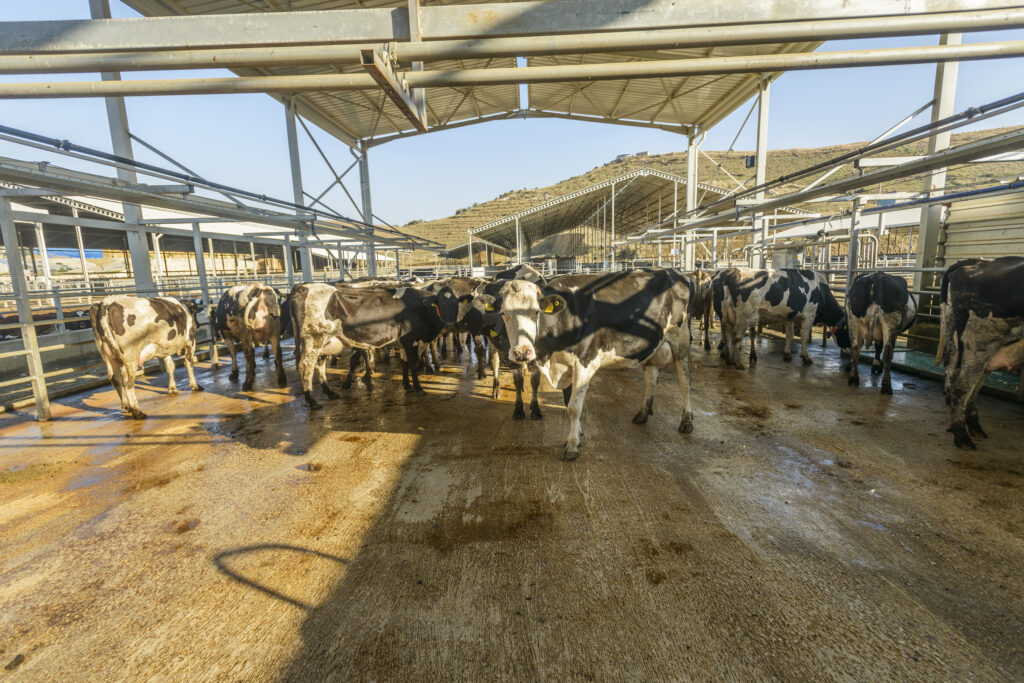
A well-designed cow shelter is essential for maintaining the health, comfort, and productivity of cattle. Traditionally, goshaalas were built with basic structures, focusing mainly on providing shade and protection. However, modern techniques have transformed cow shelter design into a more scientific and sustainable approach.
Today, designing a hygienic goshaala is not just about construction—it is about creating an environment that supports animal wellbeing, simplifies maintenance, and improves overall efficiency.
Importance of Hygiene in Cow Shelters
Cleanliness plays a crucial role in maintaining the health of cows. Poor hygiene can lead to infections, diseases, and reduced productivity. Therefore, modern goshaala design focuses on creating spaces that are easy to clean and maintain.
A hygienic environment ensures:
- Better cow health
- Reduced risk of diseases
- Improved milk production
- Comfortable living conditions
As a result, both animals and caretakers benefit from a well-maintained shelter.
Proper Ventilation for Healthy Living
Ventilation is one of the most important aspects of a hygienic cow shelter. Without proper airflow, heat, moisture, and harmful gases like ammonia can accumulate inside the structure.
Modern goshaala designs include:
- Open or semi-open side walls
- High roofs for heat escape
- Natural airflow pathways
These features allow fresh air to circulate continuously, keeping the environment cool and healthy for the animals.
Efficient Drainage Systems
Water and waste management are critical for maintaining hygiene. Improper drainage can lead to stagnant water, foul odors, and bacterial growth.
Modern shelters are designed with sloped flooring and well-planned drainage systems that allow waste to flow out easily. This keeps the shelter dry and clean at all times.
Consequently, it reduces maintenance efforts and improves overall sanitation.
Comfortable and Safe Flooring
Flooring plays a key role in cow comfort and safety. Slippery or uneven surfaces can cause injuries and discomfort.
Modern goshaala designs use non-slippery, durable materials that are easy to clean. Soft and properly finished flooring also ensures that cows can stand and rest comfortably.
This improves their overall wellbeing and reduces stress.
Adequate Space Planning
Overcrowding can negatively affect cow health and behavior. Each animal requires enough space to move, rest, and feed comfortably.
Modern design techniques focus on proper space allocation, ensuring that cows are not confined to tight areas. Separate zones for feeding, resting, and movement help maintain order and cleanliness.
Use of Sustainable and Eco-Friendly Practices
Sustainability is becoming an important part of goshaala construction. Modern shelters often incorporate eco-friendly solutions such as:
- Natural lighting to reduce energy use
- Rainwater harvesting systems
- Biogas production from cow waste
These practices not only support the environment but also reduce operational costs.
Easy Maintenance and Management
A well-designed cow shelter simplifies daily operations. Modern layouts are planned in a way that makes cleaning, feeding, and monitoring easier.
Features like proper pathways, waste disposal systems, and organized layouts help caretakers manage the goshaala more efficiently.
As a result, less time and effort are required for maintenance.
Enhancing Productivity Through Better Design
Healthy and comfortable cows are more productive. When animals are kept in a clean, well-ventilated environment, they experience less stress and better overall health.
This leads to improved milk yield and better performance. Therefore, investing in modern goshaala design directly contributes to better results for farmers and institutions.
Conclusion
Designing a hygienic cow shelter with modern techniques is essential for sustainable and efficient livestock management. By focusing on ventilation, drainage, space planning, and eco-friendly practices, modern goshaalas create a safe and comfortable environment for cows.
With proper planning and professional design, a goshaala can become a model space that supports animal health, reduces maintenance efforts, and improves productivity. Ultimately, a well-designed shelter is not just a structure—it is a foundation for better care and long-term success.