Blog

Your blog category

Ready-to-Execute Building Designs

Ready-to-Execute Building Designs for Faster Construction

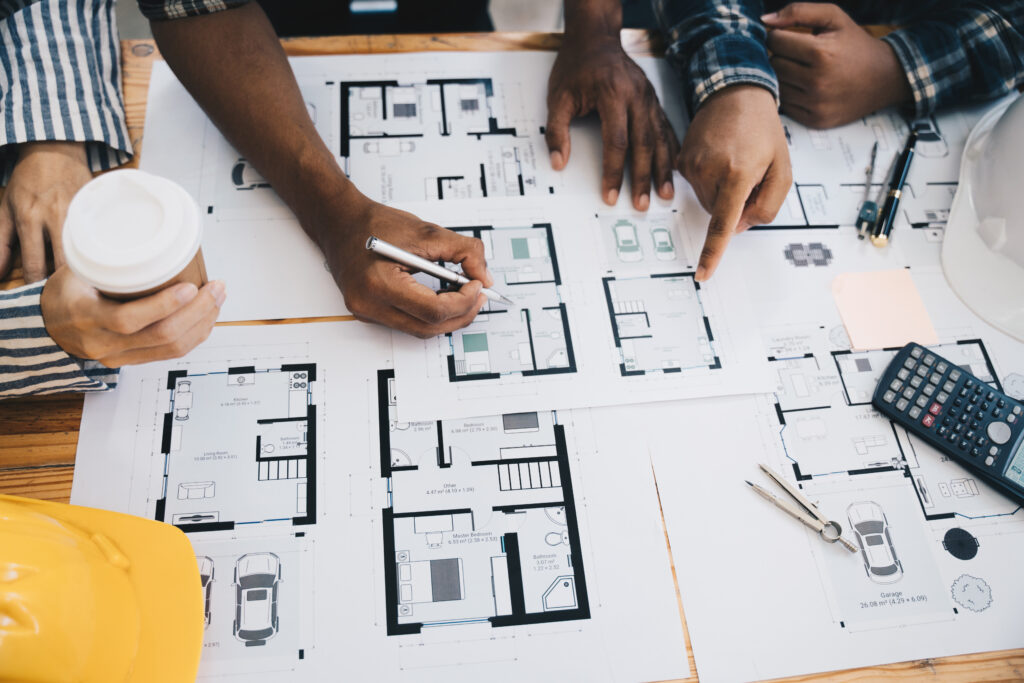
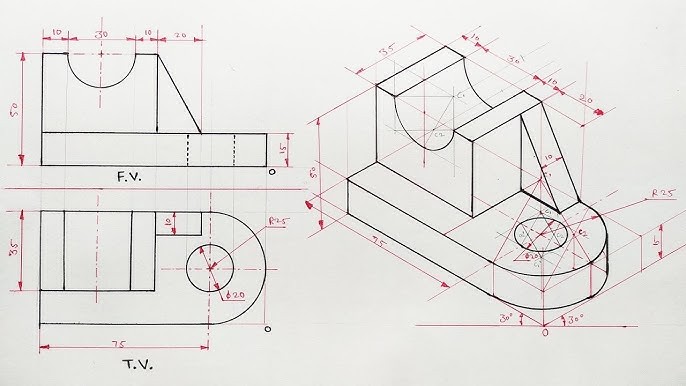
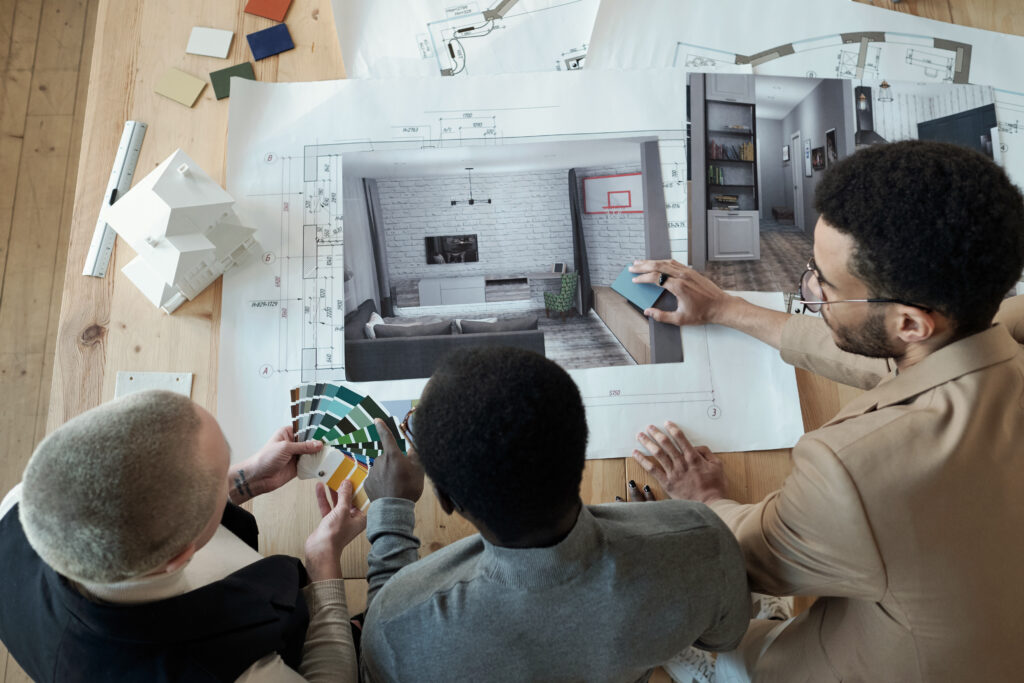
In the world of modern construction, time is just as important as quality. Many homeowners and developers face delays not because of construction challenges, but due to prolonged design phases and repeated revisions. This is where ready-to-execute building designs offer a smart and efficient solution. Instead of starting from scratch, these fully prepared architectural plans allow construction to begin almost immediately. As a result, projects move forward faster, smoother, and with greater clarity. What Are Ready-to-Execute Building Designs? Ready-to-execute building designs are complete architectural plans that include all the necessary technical details required for construction. These designs are carefully developed by professionals and include: Because everything is already planned in detail, builders can begin work without waiting for additional design approvals or modifications. Faster Project Start and Completion One of the biggest advantages of ready-to-execute designs is speed. Since the design phase is already completed, construction can begin as soon as permissions are obtained. This significantly reduces the overall project timeline. Moreover, builders can follow a clear plan from the start, which helps avoid confusion and delays during execution. Consequently, homeowners can move into their new spaces much sooner than expected. Reduces Design Errors and Rework When designs are created in advance and carefully reviewed, the chances of errors during construction are greatly reduced. Ready-to-execute plans are typically checked for structural accuracy, space utilization, and compliance with building regulations. Therefore, there is less need for changes during construction, which saves both time and money. In addition, it helps maintain consistency throughout the project. Better Cost Control and Budget Planning Budget management becomes much easier with ready-to-execute designs. Since all specifications are clearly defined, it is possible to estimate costs accurately before construction begins. As a result, homeowners can plan their finances better and avoid unexpected expenses. Builders also benefit from clear material requirements and timelines, which improves overall efficiency. Clear Visualization of the Project Ready-to-execute designs often include 2D plans and 3D visualizations. This allows clients to understand exactly how the building will look once completed. Instead of imagining the design, clients can see detailed representations of layouts, elevations, and finishes. Consequently, decision-making becomes easier and more confident. Ideal for Modern Lifestyles Today’s homeowners prefer quick, efficient, and hassle-free solutions. Ready-to-execute building designs meet these expectations by simplifying the entire construction process. Whether it’s a residential home, a commercial building, or a small project, these designs provide a practical way to move from planning to execution without unnecessary delays. Flexibility for Customization Although these designs are pre-prepared, they still allow for minor customization. For example, changes in interior layout, materials, or finishes can be made based on personal preferences. This ensures that clients get both convenience and personalization, without going through a lengthy design process. Improves Coordination Between Teams A clear and detailed design helps architects, engineers, and contractors work together more effectively. Since everyone follows the same plan, communication becomes smoother and misunderstandings are minimized. As a result, the entire construction process becomes more organized and efficient. Conclusion Ready-to-execute building designs are transforming the way construction projects are planned and executed. By eliminating delays in the design phase and providing clear, detailed plans, they enable faster construction without compromising quality. For anyone looking to build quickly and efficiently, these designs offer a practical and reliable solution. With better planning, reduced errors, and improved cost control, ready-to-execute designs make the journey from concept to completion smoother than ever.

Ready-to-Execute Building Designs for Faster Construction Read More »
Architectural Solutions in Tadepalligudem

Urban & Rural Building Permissions: A Complete Guide for Property Owners

Planning to construct your dream home or start your construction project? Before laying the foundation of your home, there is one important step that needs to be completed, i.e., obtaining building permissions. Whether your property is located in an urban area or a rural area, it is important to get building permissions to avoid any legal issues. For many people, obtaining building permissions might seem to be a complex task. However, with proper knowledge and guidance, it becomes easier to get building permissions. What Are Building Permissions? Building permission refers to the official sanction provided by local authorities to start the construction work. Building permission ensures that your building plan complies with government regulations. For urban areas, building permissions are provided by municipal corporations. On the contrary, in rural areas, building permissions are provided by panchayat offices. Why Building Permissions Are Important Gaining building permissions is not just important but also a legal requirement. Building permissions are important to avoid any legal issues. For example, buildings constructed without proper permissions may face severe consequences. In many cases, buildings constructed without proper permissions may even be demolished. In addition to this, buildings constructed without proper permissions may also lead to problems while selling the property. Thus, building permission is significant as it provides the following advantages: Urban Building Permissions Urban building permission is more structured, and regulations are more rigorous. Various factors are checked, including: Rural Building Permissions The building permission process is simple in rural areas, and the local Panchayat authorities check the following: Although the rural building permission is simple, documentation is necessary to avoid complications. Step-by-Step Process to Get Building Permission Understanding the process can help you avoid delays and confusion. Documents Required for Approval The documents that are commonly required for building permission include: Common Mistakes to Avoid There are many cases where property owners have to deal with delays due to their own mistakes. Some of the common mistakes include: Not providing complete documentsNot following the guidelines for setting backNot following the building limitNot consulting a professional architect If you avoid these common mistakes, the building permission process will be much easier. How Professional Support Helps If you want to get building permission on your own, it might be quite challenging, especially if you do not have sufficient knowledge. In this case, a professional architect plays a significant role in supporting the process. They provide support in: Creating building plansVerifying documentsSubmitting applicationsWorking with authoritiesClearing objections Due to this support, the building permission process becomes much easier and stress-free. Conclusion Building permission is a critical process in any building plan in urban and rural areas. This ensures that your building is safe, legal, and complies with government regulations. If you have sufficient knowledge and information regarding building permission, you can avoid many problems and make the process much easier. In the end, this ensures that your building plan comes to fruition, giving you peace of mind.

Urban & Rural Building Permissions: A Complete Guide for Property Owners Read More »

Interior Designers in Tadepalligudem

Why 3D Visualization Is Essential for Modern Building Design

In today’s fast-changing construction environment, clients require more clarity, accuracy, and certainty before embarking on any construction project. While drawings and 2D plans are helpful in their own right, they may not provide the desired understanding of how the final structure will look in real life. This is where 3D visualization has revolutionized modern architectural construction. With 3D visualization, architects, contractors, and clients can visualize the construction project even before the foundation is laid. This way, decision-making is simplified, expedited, and perfected. What is 3D Visualization in Architecture? 3D visualization is a method of creating a realistic image of a construction project using specialized design software. The image is complete with details such as textures, colors, lighting, materials, and environments. Unlike drawings, 3D visualization provides a complete image of the construction project from multiple angles. In this regard, clients can gain a complete understanding of how the final structure will look. Improves Accuracy of Design 3D visualization helps architects to identify any problems that may be associated with the design. This can be done effectively compared to a 2D drawing. Therefore, any alterations that are necessary can be made before the construction of the house. This helps to reduce any errors that may be associated with the design. Also, it helps to ensure that the design is not only practical but also aesthetically pleasing. Saves Time and Money Making alterations during the construction of a house can be costly. This can be avoided by using 3D visualization. For example, if a client wants to make alterations to the outside of the house, this can be done easily. Therefore, it helps to save time as well as money. Enhances Client Communication Not everyone can read architectural designs. This can be avoided by using 3D visualization. 3D visualization helps to bridge this gap. This helps the client to understand the designs better. Therefore, it enhances client communication. Supports Better Decision Making Using 3D visualization, the client is able to visualize different designs before making any final decisions. The client is able to try different designs, colors, materials, and even lighting. This ensures better decision making, and the final design is perfect in all ways. Improves Presentation and Approval Process Using 3D visualization, the client is able to create powerful presentations. The client is able to show the design to others in a realistic manner. This ensures faster approval processes, and the client is able to get the designs approved in a very efficient manner. Adds Realistic Detail to Designs Using 3D visualization, the client is able to add realistic details to the design. The design is able to include details such as shadows, reflections, landscaping, and even the environment. This ensures the client is able to visualize the design even before the building is constructed, and this creates a sense of excitement. Conclusion Using 3D visualization in building designs has become quite common in modern times. The design is not only clearer, but it is also easier to communicate, and it has reduced costs and improved decision making. This is because, by allowing the client to visualize his project in a realistic sense, it ensures that the final product meets his expectations. In a world where precision and efficiency are more important than ever, 3D visualization is no longer a choice, but a necessity in the successful construction of any project.

Why 3D Visualization Is Essential for Modern Building Design Read More »

Architectural Planning

Architectural Planning: Creating Functional and Aesthetic Building Designs

However, every great building starts with a well-thought-out plan. Before construction commences, architectural planning provides the groundwork for how a space will look, function, and feel. It’s not just about creating a drawing of the space; rather, it’s about creating spaces that are functional, comfortable, and attractive. In today’s modern construction, architectural planning is an essential aspect in the development of spaces that not only look good but also function well. Whether you’re talking about a home, office, or commercial space, architectural planning can help you bring your ideas into well-structured realities. What Is Architectural Planning? Architectural planning can be defined as the designing of spaces before the commencement of construction. This includes the development of detailed plans, deciding the positions of different rooms, and so forth. However, architectural planning is not just about spaces; rather, it’s about how people will use the space. So, architects take into consideration the lifestyle of people while planning a building. Balancing Functionality and Aesthetics One of the biggest challenges faced by architects is finding a balance between functionality and aesthetics. The building should be beautiful, but it should also be functional. For instance, a home should have a smooth flow from one room to another, adequate ventilation, and adequate lighting. The home should also have a touch of style and elegance. When functionality and aesthetics are well balanced, the result is a beautiful home. Efficient Space Utilization In modern homes and buildings, there is limited space. This is one of the reasons why efficient space utilization is essential. The architects focus on ensuring that there is adequate space, but it is not crowded. For instance, a home can have adequate space due to its functionality. The home will, therefore, be comfortable despite the limited space. Importance of Natural Light and Ventilation An ideal building plan always takes into consideration the importance of natural light and ventilation. This is achieved by incorporating adequate windows, doorways, and space for natural light and ventilation. This is important since it reduces the cost of artificial lighting and air conditioners. Thus, it promotes a healthy environment. Planning for Safety and Compliance Another aspect of building planning is the consideration of safety and compliance. This is achieved by considering setback, building, and zoning regulations. Through this consideration, architects are able to avert possible problems associated with non-compliance. Thus, the building is completed smoothly from planning to execution. Customization Based on Needs Each client has a unique set of needs, and this is achieved in architectural planning. Whether it is a residential building, a commercial building, or a specialized building, the plan is fully customized. This ensures that the final building is a clear representation of the client’s needs. Reducing Costs and Avoiding Mistakes The process of planning helps in anticipating problems before they occur. This reduces the chances of making costly changes during the building process. With proper drawings and plans, builders can work efficiently. This ensures that the building process is done within the budget and timeframe. Supporting Future Expansion The process of architectural planning considers the possibility of future needs. For example, a house can be planned in a way that allows for the extension of floors in the future. This ensures that the building remains functional despite the changing needs. Conclusion The process of architectural planning forms the backbone for any successful building process. This ensures that buildings are not only aesthetically pleasing but also functional and efficient. With proper creativity and expertise, architects are able to come up with buildings that enhance the living and working experience. Whether you are building a new home or a commercial space, the first step towards creating a perfect blend between functionality and creativity is through proper architectural planning.

Architectural Planning: Creating Functional and Aesthetic Building Designs Read More »

Landscape Architecture Design

Landscape Architecture: Designing Beautiful and Sustainable Outdoor Spaces

In today’s fast-paced world, outdoor spaces are no longer just the vacant space around the building, but rather an extension of the space in which we live and work. It is the role of landscape architecture to create these spaces into not only aesthetically pleasing environments, but also functional and sustainable environments that connect people with the natural world. What Is Landscape Architecture? Landscape architecture is the art and science of designing outdoor spaces that balance the natural environment, functionality, and aesthetics. It is the planning of the space in terms of plants, walks, water features, lighting, and open space that creates a harmonious environment. While gardening may be the simple act of planting some plants in the ground, landscape architecture, as previously described, not only considers the sustainability of the space but also the environment and the way in which it would be utilized. Creating Harmony Between Nature and Design One of the primary objectives of landscape architecture is the creation of harmony between the natural environment and the structure itself. A well-designed landscape complements the building itself rather than competing with it. For instance, the choice of plants, the use of natural materials, and the design of open spaces can make the entire area look harmonious and welcoming. As such, the outdoor area becomes an extension of the indoor area. Enhancing Aesthetic Appeal A well-designed landscape can greatly enhance the beauty of any area or property. The presence of lush lawns, colorful flowers, water features, and decorative paths can add character and charm. Furthermore, innovative and creative designs can transform even the smallest or unused outdoor spaces into visually appealing areas. It could be a small backyard garden or a large commercial area; the end result is impressive. Promoting Sustainability Landscape architecture is highly inclined towards sustainability in the modern world. Landscape architects are committed to creating environmentally friendly outdoor spaces. This includes the use of local vegetation that can thrive with less water usage, the development of efficient irrigation systems, and the integration of rainwater collection mechanisms. Furthermore, outdoor spaces are known to provide cooling effects and purify the air. As such, sustainable landscape designs are not only environmentally friendly but also cost-effective in the long run. Improving Functionality and Usability It is not just necessary that the outdoor space look good, but it also needs to be functional and comfortable. For example, it can be planned in such a way that it allows people to rest, hold social gatherings, or even participate in outdoor activities. It also helps in creating an environment that is comfortable for customers in commercial spaces. Increasing Property Value A well-designed landscape also adds significant value to the property. For example, in the case of homes, it makes the property look more attractive, and in the case of commercial spaces, it makes the environment comfortable for customers. It is also important to mention that landscape architecture is an investment that adds both aesthetic and monetary value to the property. Supporting Health and Wellbeing Time spent in green spaces has a positive influence on both mental and physical health. The landscaped space offers an environment for people to relax and get closer to nature. The landscaped features, such as gardens and water features, help create a peaceful environment for people. This shows how landscaping design supports a healthy lifestyle. Key Elements of Modern Landscape Design A good landscape design should have the following elements: These elements, when combined, create an harmonious and functional outdoor space. Conclusion Landscape architecture is more than creating outdoor spaces. It is about creating spaces that help people get closer to nature while enhancing their beauty, functionality, and sustainability. Any outdoor space has the potential of being transformed into a beautiful and meaningful space with the right design approach. This could be for both commercial and residential purposes. Investing in professional landscape architecture creates value and allows people to get closer to nature.

Landscape Architecture: Designing Beautiful and Sustainable Outdoor Spaces Read More »

Interior Designing for Living Space

Interior Designing: Creating Stylish and Functional Living Space

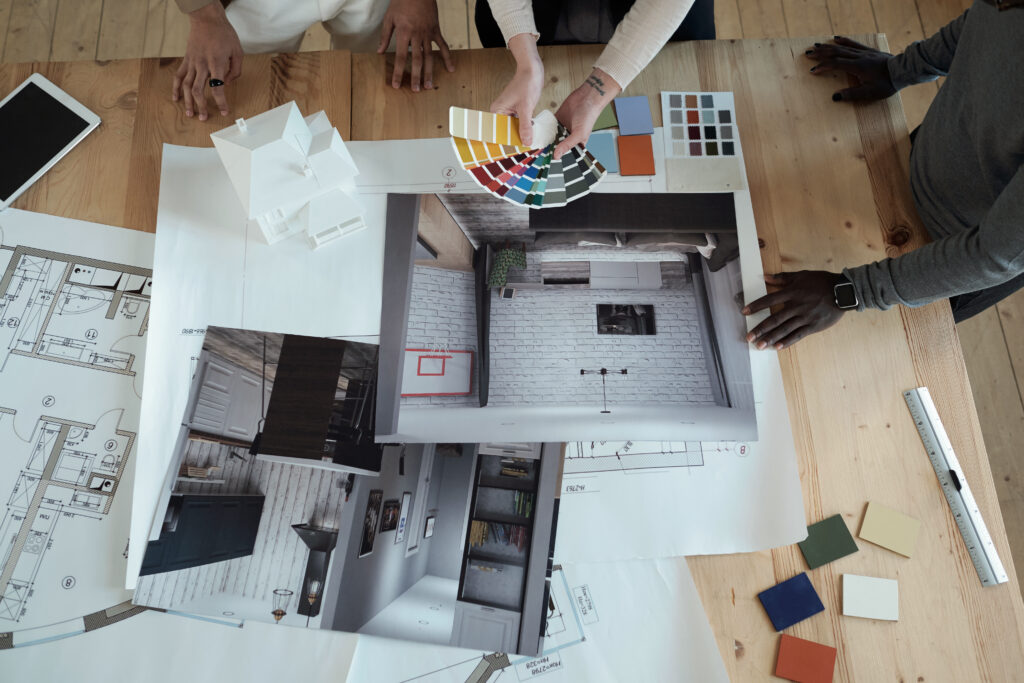
A good interior design is not just about the interior décor, but about achieving the perfect balance between style, comfort, and functionality. In the modern lifestyle of today, interior designing plays a vital role in defining the style, comfort, and functionality of our living, working, and feeling space. Whether it is about living spaces or commercial spaces, interior designing helps in creating living spaces that are inspiring, efficient, and productive. Understanding the Purpose of Interior Design Interior designing is not just about decorating the interior of a space, but about planning, organizing, and decorating the space in such a manner that the space becomes more efficient, comfortable, and effective in usage. Every space in the world is meant for a particular purpose, and interior designing helps in achieving the perfect balance in the usage of the space. For example, the living room needs to be spacious, while the workplace needs to be productive. So, interior designing helps in understanding the usage of the space before designing the space. Balancing Style and Functionality One of the important aspects of interior design is achieving the right balance between style, comfort, and functionality. A space can be stylish, but it needs to be functional as well. For example, selecting beautiful furniture is essential but must also be comfortable and space-friendly. Similarly, storage furniture should not only be useful but also complement the overall design. Therefore, a good interior design is beautiful and meets the requirements efficiently. Making the Most of Available Space Space planning is an essential aspect of interior designing, especially in contemporary homes where space may be scarce. For example, built-in storage furniture, foldable furniture, and modular furniture help design a space-free environment. Furthermore, an open floor plan makes a small space appear larger and livelier. Thus, even a small space can be designed into a comfortable and beautiful living space. The Role of Colors and Materials Colors play an important role in influencing the environment’s mood and character. For example, using light colors makes the space appear spacious and airy. On the contrary, dark colors add a sense of elegance and sophistication. In the same way, the choice of material also contributes to the beauty and character of the design. A good combination of colors and materials makes for a beautiful space. Importance of Lighting in Interior Design Lighting is another important element that can totally change the appearance and ambiance of a space. Natural lighting promotes positivity and openness, whereas artificial lighting promotes depth and focus. Personalization and Comfort People have their own unique personalities and styles, and interior design is an aspect where they can express their individuality. Customized interiors help in ensuring that the design is in sync with the people using the space. Be it a bedroom, kitchen, or even an office, personalization is what makes people feel at home. This is what makes a house a home. Enhancing Value and Appeal Not only does an interior design enhance the quality of living in a space, but it also enhances the value and appeal of the space. A well-designed space with contemporary design is sure to be appreciated. In commercial establishments, interior design is an important aspect that helps in making a good impression in front of clients and customers. A well-designed office is a hallmark of professionalism. Conclusion Interior designing is a powerful way to transform living and working spaces into stylish, functional, and comfortable environments. By focusing on layout, colors, lighting, and personalization, designers create spaces that enhance both beauty and usability. Whether you are designing a new home or upgrading an existing space, investing in professional interior design can make a significant difference. After all, a well-designed space not only looks good—it feels right and supports a better way of living.

Interior Designing: Creating Stylish and Functional Living Space Read More »

Best Architects in Tadepalligudem

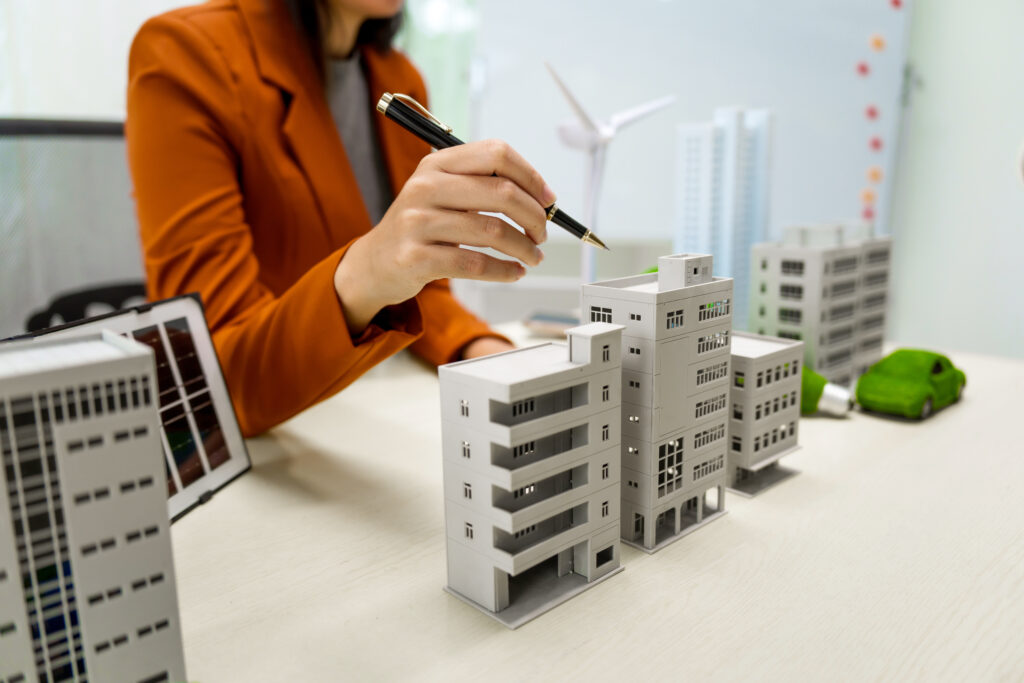
Building Model Making: From Concept to Physical Prototype

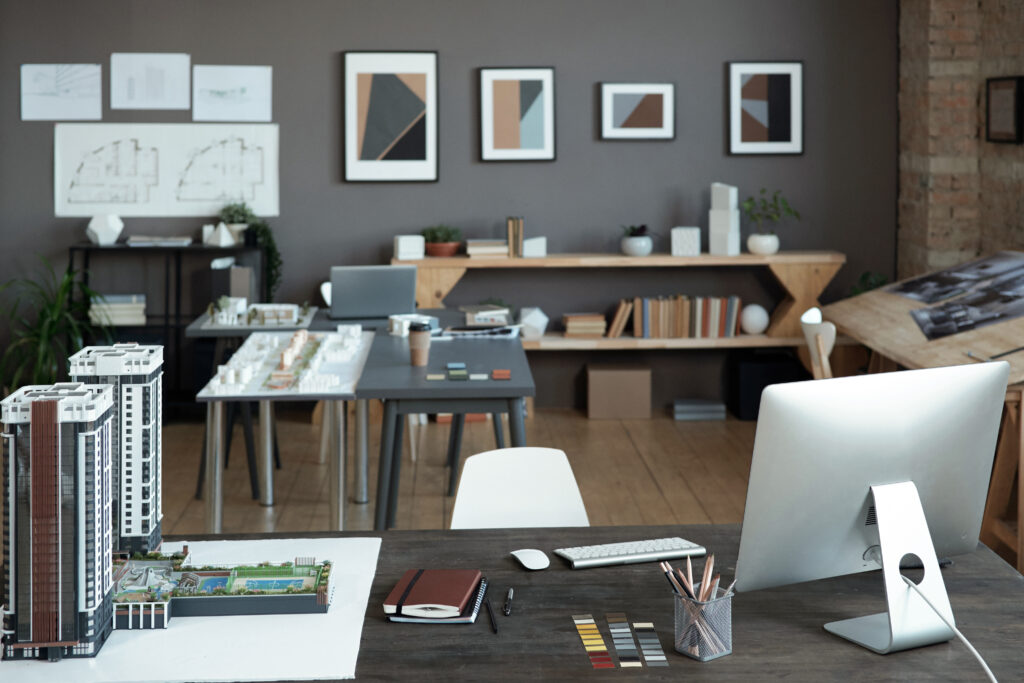
In architecture and construction, concepts may start as drawings or sketches. But in understanding how a structure will look and function, it can sometimes be hard to visualize just by looking at plans and computer images. This is where building model making comes in very handy. By creating a scale model of a design, architects and clients can easily see what the structure will look like before it is even built. Building model making is the process of taking architectural concepts and turning them into scale models that display the design, layout, and structure of a project. From residential homes to commercial buildings, these models can help bridge the gap between imagination and reality. What Is Building Model Making? Building model making is the process of creating a scale model of an architectural design. These models can replicate the structure, layout, and even the landscape of a project. Architectural models are created using materials such as acrylic, foam boards, wood, plastic, or 3D printing. The intention is to create a model that accurately represents the design while keeping the proportions correct. By doing this, these models become an invaluable tool for architects, builders, and clients to better understand a project. Turning Concepts into Visual Reality All architectural designs begin with an idea. The architect will then make sketches, drawings, and computer designs to represent the idea. However, having a physical model of the building adds yet another dimension to the architectural design. With the physical model, the client can get an actual glimpse of what the building will look like when complete. One can view the actual design of the building, its size, and its layout. Thus, building models are very important in turning ideas into visual reality. Improving Design Accuracy Another significant benefit of building model making is improving design accuracy. When an architect creates a physical model of the building, he or she can spot design inaccuracies that might not be evident on the drawings. For instance, he or she can spot inaccuracies that might be related to spacing, structure, and proportion. Thus, this ensures that no mistakes are made, hence improving the building process. Enhancing Client Communication A client might find it hard to comprehend architectural drawings. However, a building model makes communication easier. This is due to the fact that a building model offers a realistic representation of the architectural design. A client is able to see the structure and interact with it. This allows architects and clients to effectively collaborate. This ensures that the final product is satisfactory. Supporting Project Presentations A building model is commonly used for presentation. Architects, developers, and real estate companies use building scale models for presentation. These scale models are used during presentations to investors, authorities, or buyers. A good building model is able to capture one’s attention. It is able to effectively represent the design concept. This ensures that people understand the vision behind the project. Aiding in Construction Planning Aside from visualization, the creation of building models can also help in planning the construction process. Builders can analyze the model to gain insights into structural components, spatial relationships, and design aspects. This enables construction teams to prepare better and ensures that the construction process is carried out based on the architectural design plan. A Useful Tool in Modern Architecture Despite the availability of modern technology that provides sophisticated 3D imaging and virtual reality capabilities, building models remain a useful tool in architecture. They offer a hands-on experience that cannot be replicated by digital images. With the integration of digital design software, building model making is an even more useful approach to developing precise and creative architectural designs. Conclusion Building model making is an integral part of the architectural design process. Through the creation of physical prototypes from ideas, architects can better visualize buildings, enhance design precision, and facilitate effective communication with clients. From idea to prototype, building models help realize architectural concepts while ensuring that every detail is carefully considered before the construction process begins. For architects, builders, and clients, building model making is an essential step towards achieving successful and well-designed projects.

Building Model Making: From Concept to Physical Prototype Read More »

Professional Product Design

The Importance of Professional Product Design in Modern Industries

In the modern-day competitive market environment, for a business to succeed in product development, a good idea is no longer enough. There is a need for a focus on product functionality, beauty, user-friendliness, and efficiency. At this point, professional product design plays a very important role in helping a business transform a good idea into a practical product. In the modern-day market environment, industries need well-designed products to succeed in the market and to be able to serve the market for a long period. What Is Professional Product Design? Professional product design is a process that involves the development of a product from a concept to a prototype while focusing on the beauty and functionality of the product. The process involves the use of modern technology such as CAD and 3D modeling.This process helps businesses find possible design changes before production, saving time and money on costly mistakes. Enhances Product Functionality One of the most significant advantages of professional product design is that it enhances the product’s functionality. Professional designers study the product’s usage and ensure that it serves the purpose for which it is made. For example, the position of parts, material selection, and structural design are all made to ensure the product is long-lasting. Therefore, the final product is not only long-lasting but also functional. Improves Aesthetic Appeal Besides functionality, another key advantage of product design is that it improves the product’s aesthetic appeal. Customers are often drawn to products that are not only modern but also stylish. Professional designers design products to be visually appealing to customers. Therefore, businesses can attract many customers by improving their brand image through product design. Reduces Development Costs and Risks The process of developing a product can be costly for a business. However, product design helps to eliminate any risks that may be associated with the process. Product design helps to identify any challenges that may be encountered during the initial stages of product development. Therefore, the business can avoid costly changes during the latter stages of production. Supports Innovation and Creativity Product design is also important since it helps to promote innovation. The process of product design helps the designers to come up with new ideas regarding the product to be designed. Product design helps to ensure that the business is not only competitive but also offers unique ideas to the market. Improves User Experience A well-designed product is not only easy to use but also comfortable. The designers ensure that the product is user-friendly by considering the experience of the user. For example, the designers ensure that the product is not only convenient but also accessible to the user. Therefore, the product is not only comfortable but also easy to use. Helps in Prototype Development The development of a prototype is an important phase of product development. This phase allows the manufacturer to have a physical appearance of the product. With the help of accurate prototypes, businesses can assess the quality of the products. This ensures the quality of the products. Strengthens Brand Identity Professional product design can also contribute to brand identity. When a brand offers quality products to customers, they are more likely to trust the brand. The unique design of the products can serve as a brand identity. This can make the brand stand out among competitors. Conclusion Professional product design plays an important role in modern industries. This is because it combines creativity, technology, and functionality. Professional product design can help businesses transform ideas into products. This can serve the needs of the customers. With the help of professional product design, businesses can focus on the quality of the products. This can contribute to the success of the brand. If you are a business looking to create a new product or enhance existing products, professional product design can be an important phase.

The Importance of Professional Product Design in Modern Industries Read More »

Terrace Top Development Ideas

Creative Terrace Top Development Ideas for Modern Homes

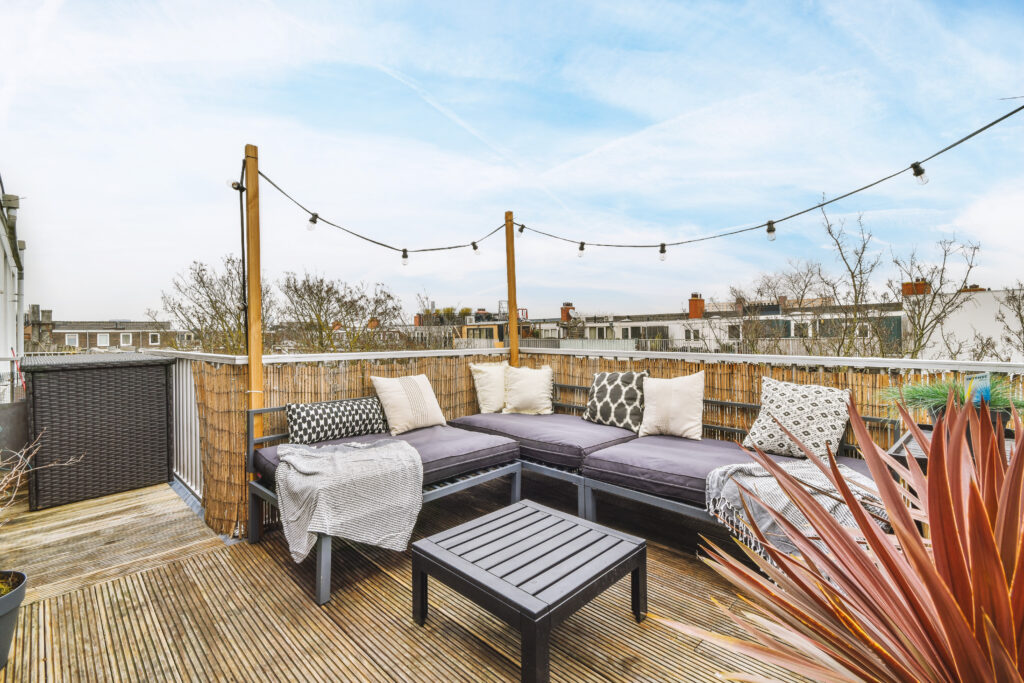
In many modern homes, terraces are often left empty or used only for basic purposes like drying clothes or storing items. However, with thoughtful planning and creative design, a terrace can become one of the most beautiful and functional spaces in your home. Terrace top development is an excellent way to transform unused rooftop areas into vibrant, relaxing, and nature-friendly environments. Today, architects and designers are helping homeowners turn ordinary terraces into green retreats, entertainment areas, and even small ecosystems for plants and animals. With the right ideas and design approach, your terrace can become a peaceful extension of your living space. Create a Beautiful Terrace Garden One of the most popular terrace development ideas is building a terrace garden. Adding plants, small trees, and decorative pots can instantly bring life to your rooftop. A terrace garden not only enhances the beauty of your home but also improves air quality and creates a refreshing environment. You can include flowering plants, herbal gardens, or even vertical gardens to maximize space. Additionally, installing proper drainage and waterproofing ensures that the garden remains safe and easy to maintain. Design a Relaxation Zone A terrace can also serve as a peaceful relaxation area where you can unwind after a busy day. Comfortable seating, wooden decks, and pergolas can create a cozy atmosphere for family gatherings or quiet evenings. Adding soft lighting, outdoor furniture, and decorative elements like fountains or planters can further enhance the space. As a result, your terrace becomes a perfect spot for reading, meditation, or spending quality time with loved ones. Add Turtle Tubs and Small Water Features Water elements bring a unique charm to terrace spaces. Turtle tubs or small aquatic setups can create a calm and natural environment. These water features not only enhance the visual appeal of the terrace but also add a sense of tranquility. With proper planning and maintenance, turtle tubs can become an interesting feature that blends nature with architecture. Build Rabbit Hatches or Small Animal Spaces For animal lovers, terraces can also be designed to include safe and comfortable spaces for small animals like rabbits. Rabbit hatches can be built using durable materials with proper ventilation and shade. These setups provide a secure environment for pets while allowing them to enjoy fresh air and natural surroundings. Moreover, they add a lively and interactive element to the terrace. Install Pigeon Lofts Pigeon lofts are another creative addition to terrace development. Well-designed pigeon shelters provide a safe habitat for birds while maintaining cleanliness and organization on the terrace. These lofts can be integrated into the terrace structure without occupying too much space. As a result, they help create a balanced environment where humans and birds coexist peacefully. Create a Multi-Purpose Rooftop Space A modern terrace can serve multiple purposes when designed efficiently. For example, one section can be dedicated to gardening, while another area can be used for seating or animal shelters. By dividing the terrace into functional zones, homeowners can make the most of the available space. This approach ensures that the terrace remains organized, attractive, and easy to maintain. Focus on Safety and Structural Planning While creative ideas are important, safety and structural planning should always come first. Proper waterproofing, load management, drainage systems, and secure railings are essential for terrace development. Professional architects carefully design rooftop spaces to ensure that all installations, including gardens, water features, and structures, are safe and sustainable. Conclusion Terrace top development ideas offers endless possibilities for modern homes. Instead of leaving the rooftop unused, homeowners can transform it into a vibrant space filled with greenery, relaxation areas, and nature-friendly features like turtle tubs, rabbit hatches, and pigeon lofts. With thoughtful design and expert planning, a terrace can become one of the most enjoyable and functional areas of the house. It not only enhances the beauty of the home but also creates a peaceful environment that connects people with nature.

Creative Terrace Top Development Ideas for Modern Homes Read More »

Modern Gooshala Design

How Proper Ventilation Improves Cow Health in Goshaalas

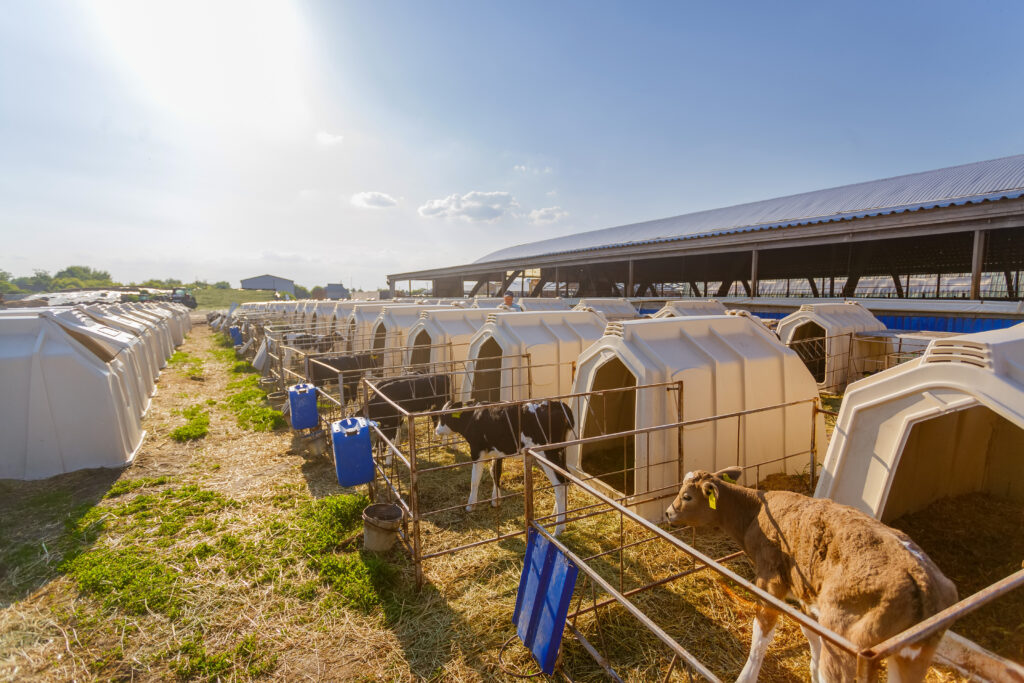
A well-designed goshaala (cow shelter) is essential for maintaining the health, comfort, and productivity of cows. While factors like space, hygiene, and nutrition are important, proper ventilation plays an equally critical role in ensuring a healthy environment for cattle. Without good airflow, cow shelters can quickly become hot, humid, and filled with harmful gases, which may negatively affect animal health.Therefore, modern Goshaala Ventilation Design focuses on creating structures that allow natural air circulation, maintain comfortable temperatures, and keep the environment clean. Why Ventilation Is Important in Goshaalas Cows produce heat, moisture, and gases such as ammonia through respiration and waste. If these elements remain trapped inside the shelter, the air quality deteriorates. As a result, cows may experience discomfort, respiratory problems, and reduced productivity. Proper ventilation helps remove stale air while bringing in fresh oxygen. Consequently, cows stay healthier, more comfortable, and less stressed. Maintains Comfortable Temperature One of the biggest challenges in cow shelters, especially in warm climates, is heat buildup. Poorly ventilated goshaalas can become extremely hot during the day, which leads to heat stress in cows. However, when a goshaala is designed with open sides, ventilated roofs, and adequate airflow pathways, excess heat can escape easily. This keeps the internal temperature stable and comfortable for the animals. As a result, cows remain active and healthy even during hot weather conditions. Reduces Moisture and Humidity Moisture inside cow shelters can create an unhealthy environment. Water from cleaning, cow urine, and general humidity can make the space damp if airflow is limited. With proper ventilation, moisture evaporates quickly and the shelter stays dry. This significantly reduces the risk of bacterial growth, infections, and unpleasant odors. Additionally, a dry environment makes it easier to maintain hygiene in the goshaala. Prevents Respiratory Problems Poor air quality is one of the main causes of respiratory issues in cattle. Harmful gases like ammonia can accumulate in enclosed spaces and irritate the animals’ lungs. Good ventilation continuously removes these gases and replaces them with fresh air. As a result, cows breathe more easily and remain healthier. In the long run, this helps prevent diseases and reduces veterinary costs. Improves Cow Comfort and Productivity Comfortable cows are healthier and more productive. When cows are kept in well-ventilated shelters, they experience less stress and discomfort. Consequently, dairy cows often produce better milk yields, and overall cattle health improves. Farmers and goshaala caretakers also find it easier to manage animals in a comfortable environment. Supports Hygiene and Cleanliness Ventilation works hand in hand with drainage and waste management systems. Fresh air helps dry the flooring quickly after cleaning, which prevents slippery surfaces and reduces the spread of bacteria. Moreover, proper airflow removes foul odors and keeps the goshaala environment fresh and pleasant for both animals and caretakers. Key Features of a Well-Ventilated Goshaala Modern goshaala designs usually include several architectural features to ensure proper airflow: These design elements allow natural air movement without compromising shelter and safety. Conclusion Goshaala Ventilation Design is a fundamental element in goshaala construction. It not only improves air quality but also maintains comfortable temperatures, reduces moisture, and prevents respiratory problems in cows. When ventilation is planned correctly, it creates a healthy and hygienic environment that supports the well-being of cattle. For farms, temples, and institutions that maintain cows, investing in a well-ventilated goshaala ensures long-term animal health, easier maintenance, and sustainable livestock management.

How Proper Ventilation Improves Cow Health in Goshaalas Read More »