
When planning a construction project, one of the biggest challenges is imagining how the final building will actually look and function. While drawings and digital designs provide useful information, they often lack the clarity needed for complete understanding. This is where building model making becomes incredibly valuable.
By creating a physical representation of a design, building models help architects, clients, and builders visualize the project in a realistic way before construction even begins.
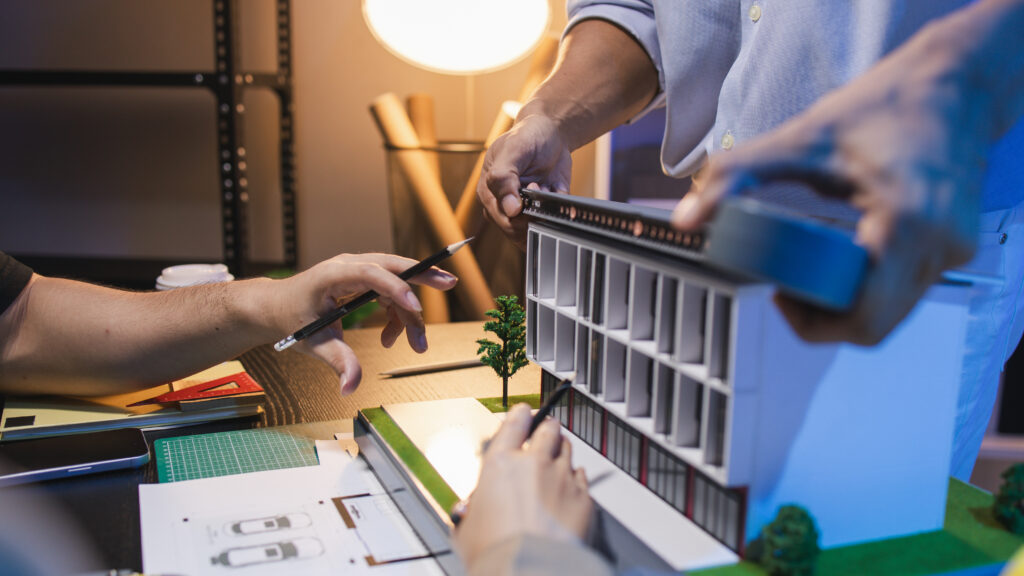
What Is Building Model Making?
Building model making is the process of creating scaled-down physical models of architectural designs. These models replicate the structure, layout, elevations, and sometimes even the surrounding environment of a project.
Using materials like foam board, acrylic, wood, or 3D-printed components, these models are crafted with precision to reflect the actual design details. As a result, they provide a clear and tangible understanding of the project.
Why Visualization Matters Before Construction
Before construction starts, it is essential to have a clear vision of the final outcome. Misunderstandings at the design stage can lead to costly changes later.
Building models eliminate guesswork by offering a realistic preview of the structure. Clients can see how spaces are arranged, how the building looks from different angles, and how it fits within its surroundings.
Consequently, better visualization leads to better decisions.
Enhancing Design Clarity
Architectural drawings can sometimes be difficult to interpret, especially for those without technical knowledge. A physical model simplifies this by presenting the design in an easy-to-understand format.
With a model in hand, it becomes easier to:
- Understand spatial relationships
- Visualize proportions and scale
- Identify design features clearly
This improves communication between architects and clients.
Identifying Errors Early
One of the major advantages of building model making is early error detection. During the model creation process, architects can identify issues related to layout, structure, or proportions.
By resolving these problems before construction begins, the risk of costly corrections is significantly reduced. As a result, the project moves forward more smoothly.
Supporting Better Project Planning
Building models are not just visual tools—they also assist in planning. Builders and engineers can study the model to understand construction details and structural elements.
This helps in organizing resources, scheduling work, and coordinating different teams. Consequently, the entire construction process becomes more efficient and well-managed.
Improving Client Confidence
For many clients, investing in construction is a major decision. Seeing a physical model of the project builds trust and confidence.
It allows clients to:
- Experience the design visually
- Suggest changes if needed
- Feel assured about the final outcome
This interactive approach strengthens the relationship between clients and designers.
Useful for Presentations and Approvals
Building models are powerful tools for presentations. Whether you are presenting to investors, buyers, or authorities, a physical model makes a strong impression.
It clearly communicates the design intent and helps stakeholders understand the project quickly. As a result, approvals and discussions become more effective.
Combining Models with Modern Technology
Even with advanced 3D visualization tools, physical models continue to hold great value. When used together, digital and physical representations provide a complete understanding of the project.
This combination ensures accuracy, creativity, and better design outcomes.
Conclusion
Building model making is an essential step in modern architecture and construction. By providing a clear and realistic visualization of a project, it helps improve design understanding, reduce errors, and support better planning.
Before construction begins, having a physical model allows everyone involved to see the bigger picture and make informed decisions. Ultimately, it ensures that the final result matches the original vision, making the entire construction process more efficient and successful.