
In the world of architecture and construction, precision is everything. A small misunderstanding in design or layout can lead to costly errors during execution. That is why building model making has become an essential step in modern project planning.
Accurate building models provide a clear, physical representation of a project before construction begins. They help architects, clients, and builders visualize the structure in detail and ensure that every aspect of the design is well understood.
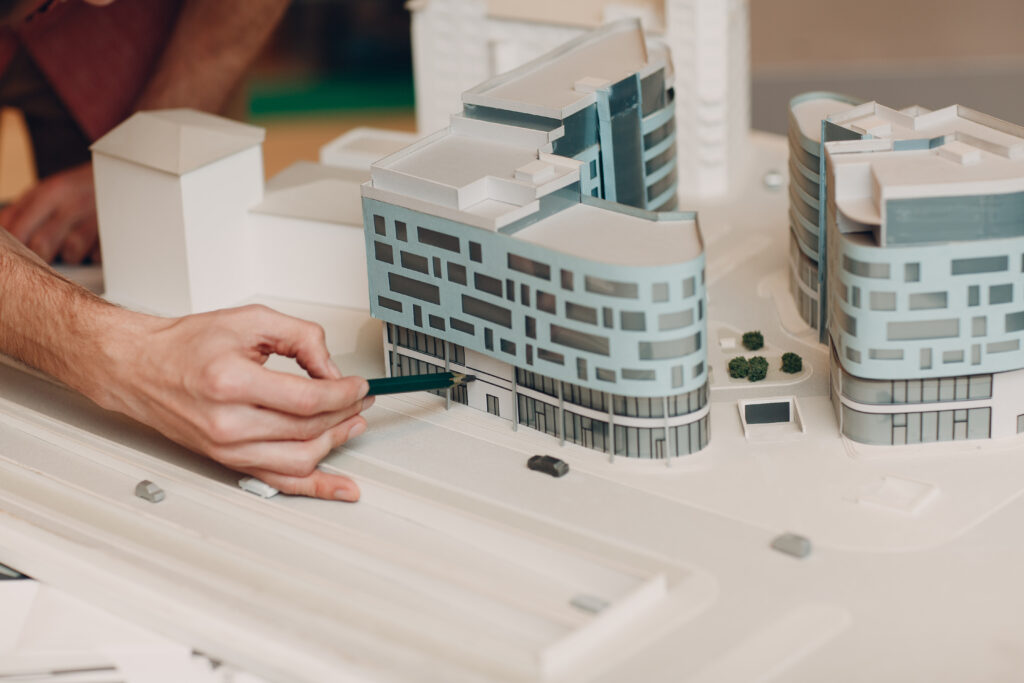
What Are Building Models?
Building models are scaled-down physical representations of architectural designs. They are created using materials like foam board, acrylic, wood, or even 3D-printed components.
These models showcase the layout, structure, elevations, and sometimes even landscaping elements of a project. As a result, they offer a realistic view of how the final building will look and function.
Why Accuracy Matters in Model Making
Accuracy is the most important factor in building model making. A precise model reflects the actual proportions, dimensions, and design details of the project.
When models are accurate, they help identify potential issues in the design stage itself. Consequently, this reduces the chances of errors during construction and ensures smoother execution.
Enhancing Design Understanding
Architectural drawings and digital plans can sometimes be difficult to interpret, especially for clients. However, a physical model makes it much easier to understand the design.
By looking at a model, clients can clearly see the layout, spatial relationships, and overall structure. This improves communication between architects and clients and ensures that everyone shares the same vision.
Improving Project Planning
Accurate building models play a significant role in planning the construction process. Builders and engineers can study the model to understand structural elements, positioning, and design features.
This allows for better coordination between different teams involved in the project. As a result, construction becomes more organized and efficient.
Reducing Errors and Rework
One of the major advantages of building models is error detection. During the model-making process, architects can identify design flaws, spacing issues, or structural inconsistencies.
By correcting these issues early, costly changes during construction can be avoided. This not only saves time but also helps maintain the project budget.
Supporting Presentations and Approvals
Building models are powerful tools for presentations. Whether it is for clients, investors, or government approvals, a detailed model provides a clear and impressive representation of the project.
It helps stakeholders understand the design quickly and builds confidence in the project plan. Therefore, models often play a key role in securing approvals and project acceptance.
Combining Physical Models with Modern Technology
While digital tools like 3D visualization are widely used today, physical models still hold unique value. When combined with digital designs, they offer a complete understanding of the project.
This combination allows architects to refine designs more effectively and deliver better results.
Conclusion
Accurate building models are a vital part of successful project execution. They bridge the gap between design and construction by providing a clear, detailed, and realistic representation of the project.
By improving visualization, reducing errors, and enhancing communication, building models ensure that projects are executed smoothly and efficiently. Investing in precise model making is not just a design step—it is a smart decision that leads to better outcomes in construction.