
In today’s fast-paced world, outdoor spaces are no longer just the vacant space around the building, but rather an extension of the space in which we live and work. It is the role of landscape architecture to create these spaces into not only aesthetically pleasing environments, but also functional and sustainable environments that connect people with the natural world.
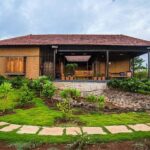
What Is Landscape Architecture?
Landscape architecture is the art and science of designing outdoor spaces that balance the natural environment, functionality, and aesthetics. It is the planning of the space in terms of plants, walks, water features, lighting, and open space that creates a harmonious environment.
While gardening may be the simple act of planting some plants in the ground, landscape architecture, as previously described, not only considers the sustainability of the space but also the environment and the way in which it would be utilized.
Creating Harmony Between Nature and Design
One of the primary objectives of landscape architecture is the creation of harmony between the natural environment and the structure itself. A well-designed landscape complements the building itself rather than competing with it.
For instance, the choice of plants, the use of natural materials, and the design of open spaces can make the entire area look harmonious and welcoming. As such, the outdoor area becomes an extension of the indoor area.
Enhancing Aesthetic Appeal
A well-designed landscape can greatly enhance the beauty of any area or property. The presence of lush lawns, colorful flowers, water features, and decorative paths can add character and charm.
Furthermore, innovative and creative designs can transform even the smallest or unused outdoor spaces into visually appealing areas. It could be a small backyard garden or a large commercial area; the end result is impressive.
Promoting Sustainability
Landscape architecture is highly inclined towards sustainability in the modern world. Landscape architects are committed to creating environmentally friendly outdoor spaces.
This includes the use of local vegetation that can thrive with less water usage, the development of efficient irrigation systems, and the integration of rainwater collection mechanisms. Furthermore, outdoor spaces are known to provide cooling effects and purify the air.
As such, sustainable landscape designs are not only environmentally friendly but also cost-effective in the long run.
Improving Functionality and Usability
It is not just necessary that the outdoor space look good, but it also needs to be functional and comfortable.
For example, it can be planned in such a way that it allows people to rest, hold social gatherings, or even participate in outdoor activities. It also helps in creating an environment that is comfortable for customers in commercial spaces.
Increasing Property Value
A well-designed landscape also adds significant value to the property.
For example, in the case of homes, it makes the property look more attractive, and in the case of commercial spaces, it makes the environment comfortable for customers.
It is also important to mention that landscape architecture is an investment that adds both aesthetic and monetary value to the property.
Supporting Health and Wellbeing
Time spent in green spaces has a positive influence on both mental and physical health. The landscaped space offers an environment for people to relax and get closer to nature.
The landscaped features, such as gardens and water features, help create a peaceful environment for people. This shows how landscaping design supports a healthy lifestyle.
Key Elements of Modern Landscape Design
A good landscape design should have the following elements:
- Green lawns and plant arrangements
- Pathways and outdoor flooring
- Water features
- Outdoor lighting
- Relaxation spaces
- Watering and drainage systems
These elements, when combined, create an harmonious and functional outdoor space.
Conclusion
Landscape architecture is more than creating outdoor spaces. It is about creating spaces that help people get closer to nature while enhancing their beauty, functionality, and sustainability.
Any outdoor space has the potential of being transformed into a beautiful and meaningful space with the right design approach. This could be for both commercial and residential purposes. Investing in professional landscape architecture creates value and allows people to get closer to nature.