
In architecture and construction, concepts may start as drawings or sketches. But in understanding how a structure will look and function, it can sometimes be hard to visualize just by looking at plans and computer images. This is where building model making comes in very handy. By creating a scale model of a design, architects and clients can easily see what the structure will look like before it is even built.
Building model making is the process of taking architectural concepts and turning them into scale models that display the design, layout, and structure of a project. From residential homes to commercial buildings, these models can help bridge the gap between imagination and reality.
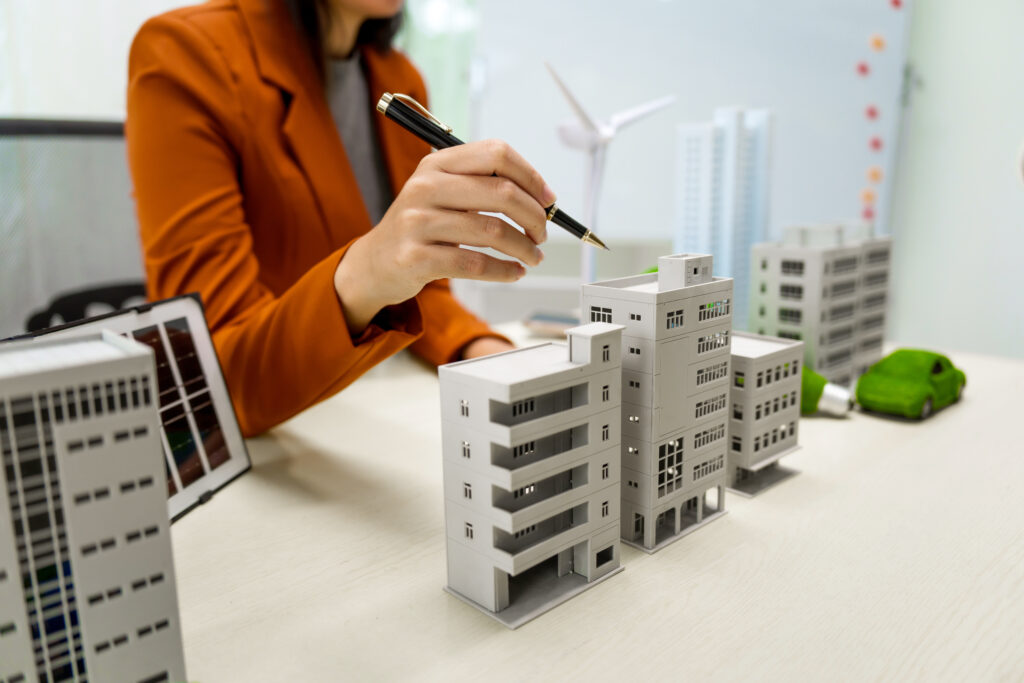
What Is Building Model Making?
Building model making is the process of creating a scale model of an architectural design. These models can replicate the structure, layout, and even the landscape of a project.
Architectural models are created using materials such as acrylic, foam boards, wood, plastic, or 3D printing. The intention is to create a model that accurately represents the design while keeping the proportions correct.
By doing this, these models become an invaluable tool for architects, builders, and clients to better understand a project.
Turning Concepts into Visual Reality
All architectural designs begin with an idea. The architect will then make sketches, drawings, and computer designs to represent the idea. However, having a physical model of the building adds yet another dimension to the architectural design.
With the physical model, the client can get an actual glimpse of what the building will look like when complete. One can view the actual design of the building, its size, and its layout.
Thus, building models are very important in turning ideas into visual reality.
Improving Design Accuracy
Another significant benefit of building model making is improving design accuracy. When an architect creates a physical model of the building, he or she can spot design inaccuracies that might not be evident on the drawings.
For instance, he or she can spot inaccuracies that might be related to spacing, structure, and proportion.
Thus, this ensures that no mistakes are made, hence improving the building process.
Enhancing Client Communication
A client might find it hard to comprehend architectural drawings. However, a building model makes communication easier. This is due to the fact that a building model offers a realistic representation of the architectural design.
A client is able to see the structure and interact with it. This allows architects and clients to effectively collaborate. This ensures that the final product is satisfactory.
Supporting Project Presentations
A building model is commonly used for presentation. Architects, developers, and real estate companies use building scale models for presentation. These scale models are used during presentations to investors, authorities, or buyers.
A good building model is able to capture one’s attention. It is able to effectively represent the design concept. This ensures that people understand the vision behind the project.
Aiding in Construction Planning
Aside from visualization, the creation of building models can also help in planning the construction process. Builders can analyze the model to gain insights into structural components, spatial relationships, and design aspects.
This enables construction teams to prepare better and ensures that the construction process is carried out based on the architectural design plan.
A Useful Tool in Modern Architecture
Despite the availability of modern technology that provides sophisticated 3D imaging and virtual reality capabilities, building models remain a useful tool in architecture. They offer a hands-on experience that cannot be replicated by digital images.
With the integration of digital design software, building model making is an even more useful approach to developing precise and creative architectural designs.
Conclusion
Building model making is an integral part of the architectural design process. Through the creation of physical prototypes from ideas, architects can better visualize buildings, enhance design precision, and facilitate effective communication with clients.
From idea to prototype, building models help realize architectural concepts while ensuring that every detail is carefully considered before the construction process begins. For architects, builders, and clients, building model making is an essential step towards achieving successful and well-designed projects.